
Licensed & Insured — Colorado
40+ YrsReviews
Interior basement drainage system being installed

Waterproofing

Interior Basement & Crawl Space Waterproofing

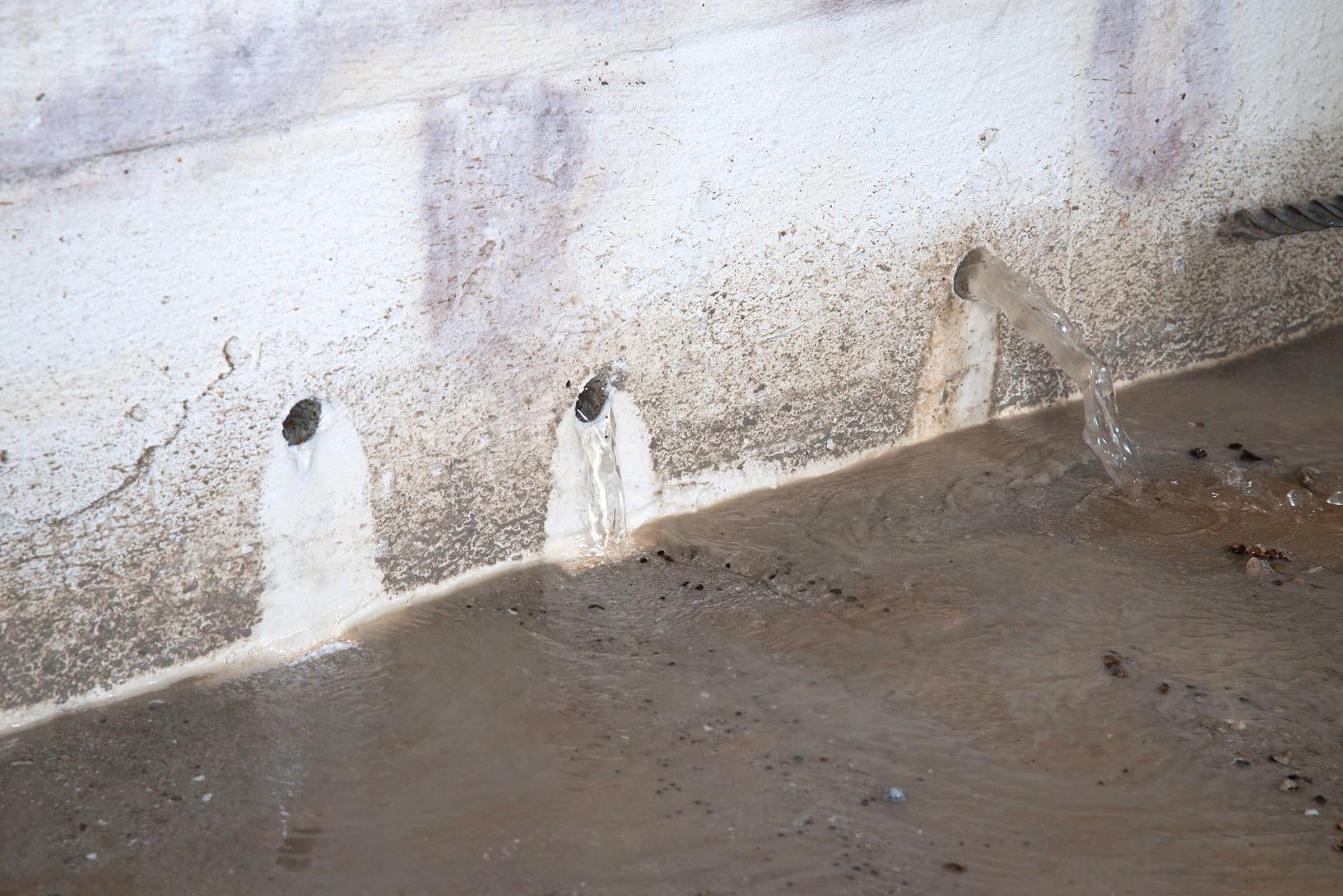
Interior waterproofing manages water that reaches your home: a sub-floor drainage channel collects seepage at the wall-floor joint, routes it to a sump system, and a vapor barrier and dehumidifier keep the space dry and usable year-round.

Six Sigma Yellow Belt CertifiedSix Sigma Yellow Belt Certified

Signs you need interior waterproofing

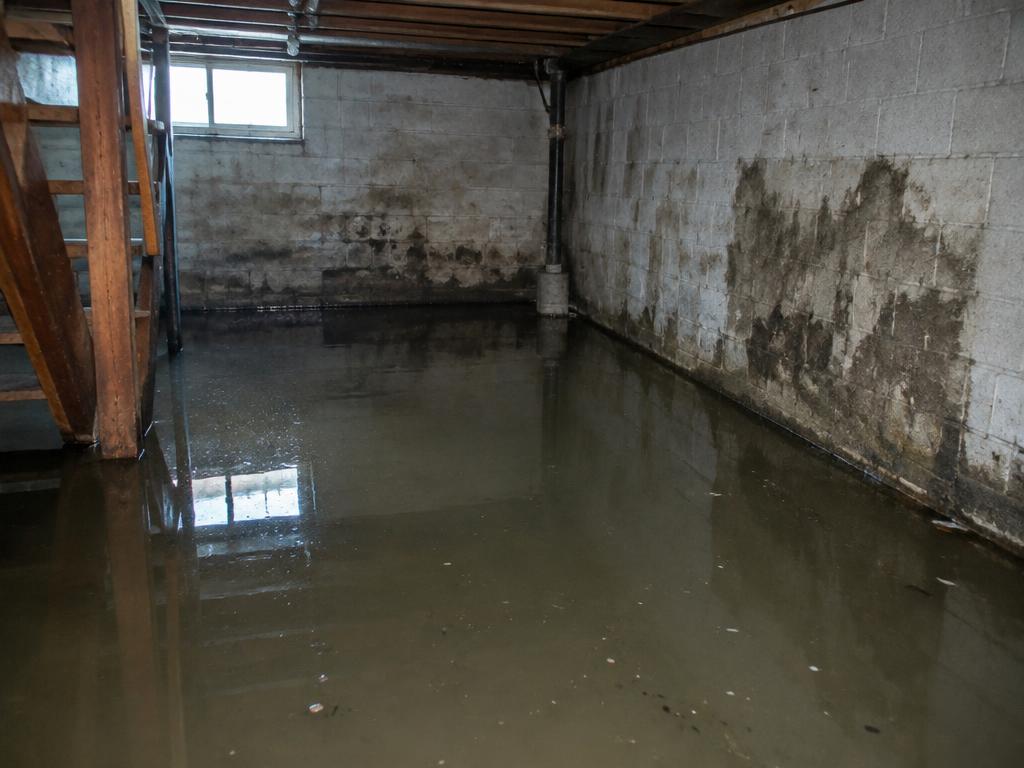
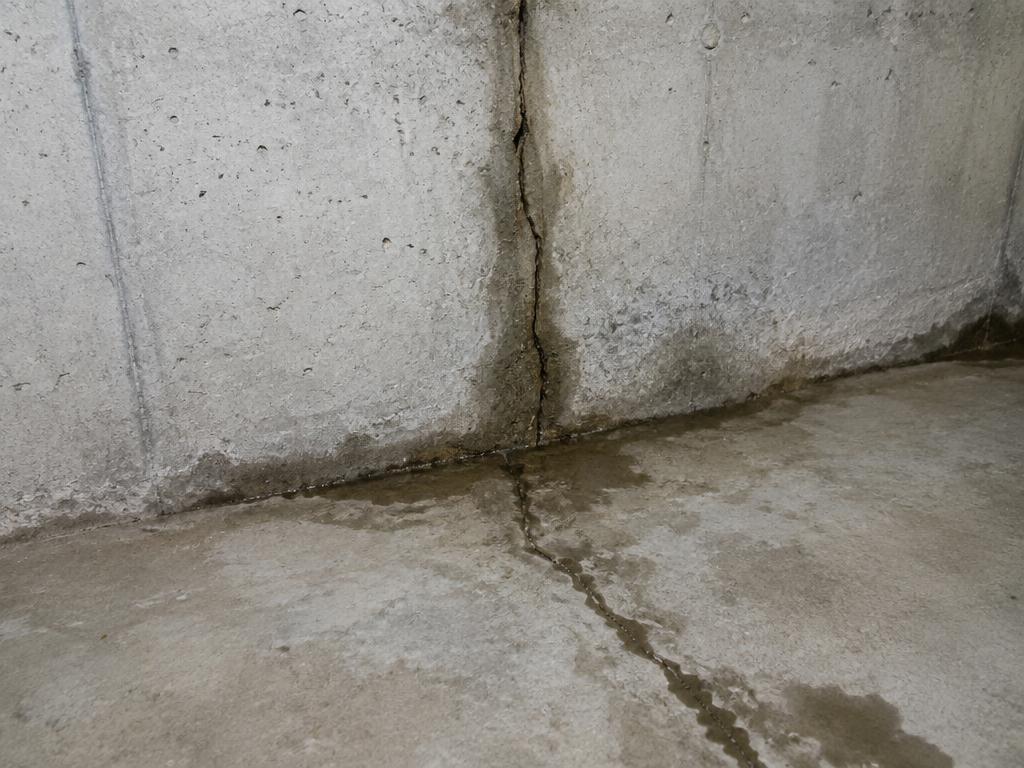
  • Water along basement walls or floors
  • Musty odors or high humidity
  • Crawl space moisture buildup
  • Seasonal seepage after rain or snowmelt
  • Efflorescence or staining on the walls
  • Rusting appliances or warped storage
Excavated foundation trench with standing groundwater

Key takeaways

  • Water along basement walls or floors
  • Musty odors or high humidity
  • Crawl space moisture buildup
  • We open a channel at the perimeter of the slab, install perforated drainage that collects water at the wall-floor joint before it reaches the floor, and route it to a sump basin with a reliable pump and discharge line.
  • Power fails during the same storms that flood basements.
  • Free on-site inspection, written fixed price, and warrantied installation by our own crews.

How the system works

We open a channel at the perimeter of the slab, install perforated drainage that collects water at the wall-floor joint before it reaches the floor, and route it to a sump basin with a reliable pump and discharge line.

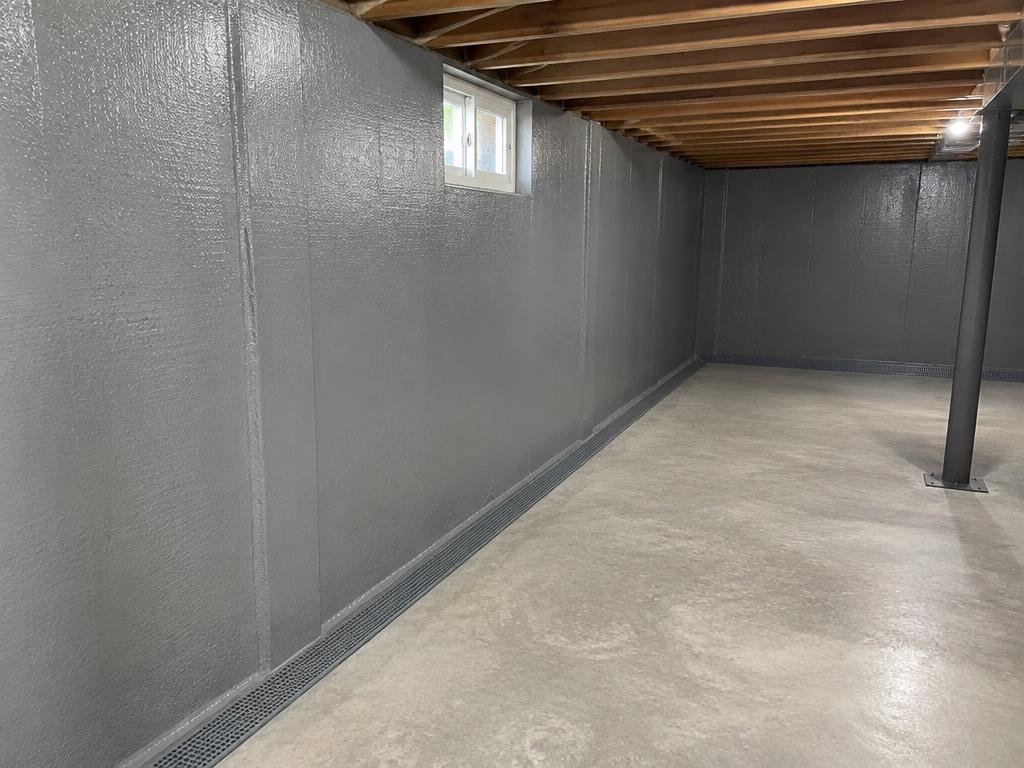
Wall vapor barriers direct wall seepage into the drain and keep humidity out of the room. Where the space stays humid, an energy-efficient dehumidifier finishes the job.
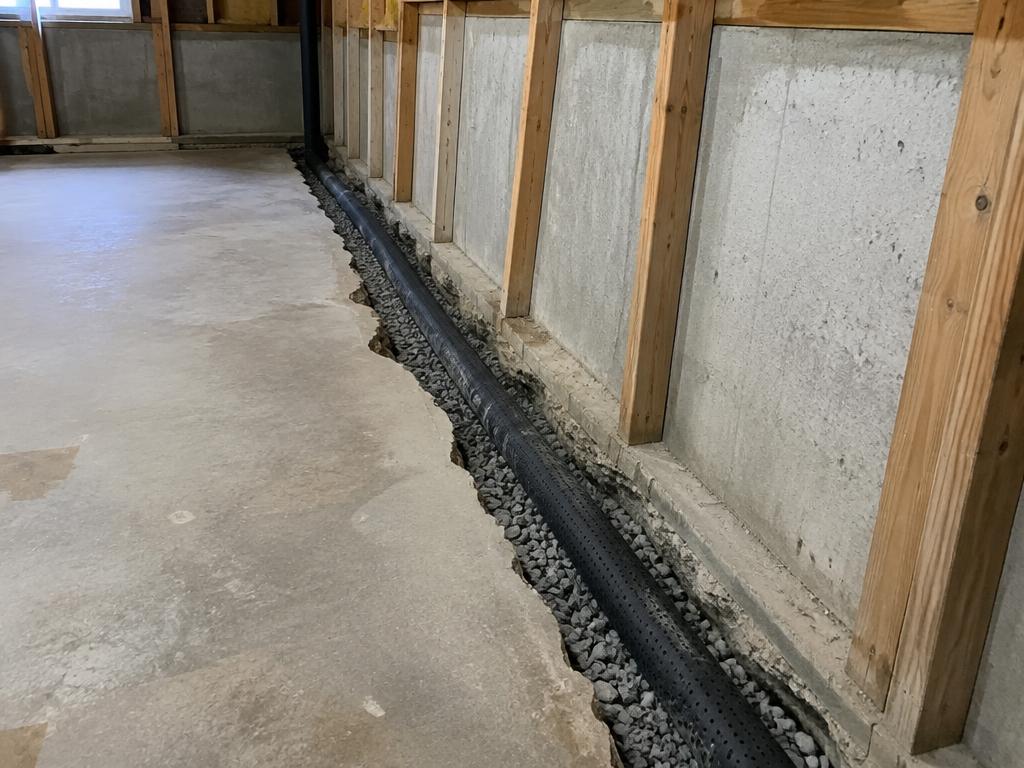
Drain line and gravel placed before backfill

Ready to put your home back on solid ground?

Free on-site inspection, written fixed price, and warrantied work by our own crews.

Backup protection

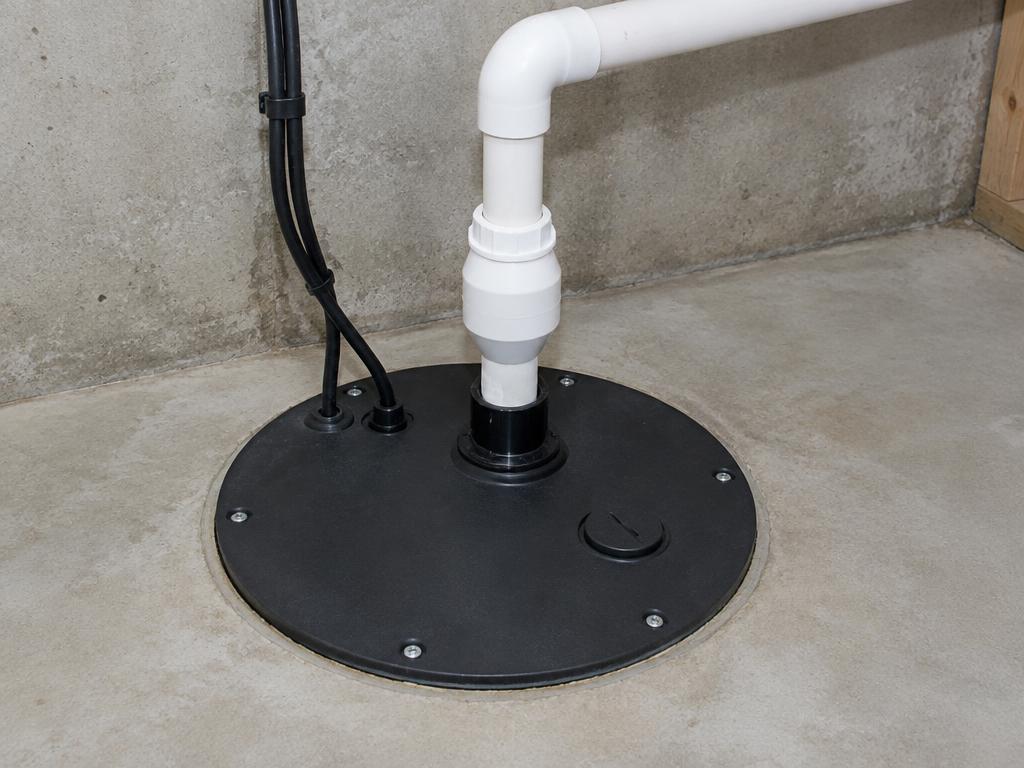
Power fails during the same storms that flood basements. A battery backup pump keeps the system running when the primary pump loses power, and a data logger can document pump activity over time.
Surface water rerouted away from the basement wall

Recent project photos

Excavated foundation trench with standing groundwater
Waterproof membrane coating a cleaned basement wall
Drain line and gravel placed before backfill
Seepage and efflorescence on a leaking basement wall
Surface water rerouted away from the basement wall
Basement wall crack sealed against water intrusion

Cracks, settling, or water in the basement? Don't wait.

1-970-235-0092

Frequently Asked Questions

How long does an interior system take to install?

Most residential interior perimeter systems are installed in one to two days.

Does it require breaking the floor?

Yes — a narrow channel is cut at the perimeter of the slab and patched with concrete when the drain is in place.

Free Estimate

Get Your Free Foundation Estimate

Tell us what you're seeing and we'll schedule an on-site inspection with a written scope and fixed price. No cost, no obligation.

1-970-235-0092

732 Buckhorn Dr Unit B, Rifle, CO 81650 · Mon–Fri 8:00am – 4:00pm

Or call 1-970-235-0092 — no cost, no obligation.